
From Vision to Recognition: Six Essential Steps to Build a Stronger Brand
Building a successful brand involves much more than creating an attractive logo or choosing appealing colors. A brand represents how people perceive your business, the promises you make, and the experience customers expect every time they interact with you. Companies that invest in building a clear and consistent brand create stronger customer relationships, improve recognition, and establish a competitive advantage that extends far beyond visual design.
Many businesses make the mistake of starting with aesthetics before defining what their brand truly stands for. Updating a logo or refreshing a website may create the appearance of progress, but these changes rarely solve deeper business challenges. Strong branding begins with strategy, not decoration. Before focusing on visual identity, businesses must clearly understand their purpose, audience, value, and market position.
The first step in strengthening a brand is identifying the problem your business solves. Customers are rarely interested in products or services alone—they are looking for solutions to challenges they face in their personal or professional lives. Understanding those challenges allows a business to communicate its value more effectively and connect with potential customers on a deeper level.
Ask yourself what difficulties your customers experience before they find your solution. Consider why they seek assistance, what goals they hope to achieve, and how their situation improves after working with your business. Looking beyond product features and focusing on real outcomes creates messaging that feels relevant and meaningful. The clearer you define the problem you solve, the easier it becomes for customers to understand why your business matters.

Customer feedback is one of the most valuable resources during this process. Conversations with current clients can reveal why they selected your business, what benefits they received, and which aspects they value most. Equally important is learning from potential customers who chose another option, as their feedback often highlights gaps in communication, unmet expectations, or opportunities for improvement. Patterns found in these conversations help refine your positioning and strengthen your brand message.
Once the problem is clearly defined, the next priority is identifying the audience that benefits most from your solution. Attempting to appeal to everyone usually results in generic messaging that resonates with no one. Effective branding focuses on a clearly defined audience whose needs closely match the value your business provides.
Rather than relying solely on age, location, or other demographic information, consider what your ideal customers are trying to accomplish. People from different industries or backgrounds may share similar goals, frustrations, or challenges. Understanding these shared motivations allows you to create communication that feels personal and relevant, regardless of job title or industry.
Developing detailed customer profiles helps guide both marketing and sales efforts. Identify your audience’s objectives, obstacles, priorities, and preferred communication channels. Understanding how they make purchasing decisions enables your business to create content and messaging that directly addresses their concerns while demonstrating genuine value.
After identifying your target audience, focus on clearly communicating the value you provide. Customers are interested in the positive changes your business creates, not simply the features of your product or service. While features describe what something does, value explains how it improves the customer’s situation.
Instead of emphasizing technical capabilities, highlight measurable benefits such as saving time, reducing costs, increasing efficiency, improving decision-making, minimizing errors, or simplifying complex tasks. Framing your message around outcomes makes it easier for potential customers to understand the practical advantages of choosing your business.
A useful exercise is to write several statements beginning with the phrase “We help you…” followed by a clear result your customers achieve. This approach keeps your messaging focused on customer success rather than internal processes. When your communication consistently emphasizes benefits, trust becomes easier to establish, making purchasing decisions more straightforward for prospective clients.
The next stage involves defining your position within the marketplace. Positioning determines how customers perceive your business compared to competing alternatives. Without a clear position, your company risks becoming interchangeable with others offering similar products or services, forcing competition based primarily on price.
Successful positioning is not about trying to appeal to everyone or claiming to be the biggest. Instead, it focuses on occupying a distinct place in the minds of your target audience. Identify what makes your approach different, whether it is your expertise, customer experience, specialized knowledge, speed, reliability, or another meaningful advantage that competitors do not emphasize.
A simple positioning statement can help clarify your direction. Describe who your ideal customers are, the challenge they face, the primary benefit you provide, and the unique characteristic that distinguishes your solution from alternatives. This concise summary becomes a valuable guide for marketing, sales, and future business decisions.
Equally important is developing a consistent brand personality and communication style. Every interaction with customers contributes to their overall impression of your business. If your tone changes dramatically between your website, social media, emails, and customer support, your brand may appear inconsistent or unreliable.

Choose a small number of personality traits that accurately reflect your business. Your communication might be professional, approachable, knowledgeable, confident, practical, or supportive. Once those characteristics are established, create guidelines covering vocabulary, writing style, level of formality, and phrases that reflect your brand identity. Consistency across every communication channel helps build familiarity and trust over time.
These communication guidelines should be shared throughout the organization so everyone presents the business in a unified way. Whether customers interact with marketing materials, sales representatives, or support teams, they should experience the same tone, values, and personality.
Only after these strategic foundations are in place should attention shift to visual identity. Design should communicate the brand strategy rather than replace it. Logos, typography, colors, imagery, and layouts become significantly more effective when they represent a clearly defined purpose instead of personal preferences or temporary design trends.
Before beginning any visual redesign, create a concise summary outlining your brand’s mission, target audience, customer challenges, unique value, market position, and communication style. This strategic foundation ensures every visual decision supports the broader identity of the business and contributes to consistent brand recognition.
A thoughtfully developed visual identity reinforces the promises your brand makes while creating memorable experiences across websites, advertising, packaging, presentations, and digital platforms. Consistency in design strengthens recognition and helps customers immediately identify your business wherever they encounter it.
Improving a brand is an ongoing process rather than a one-time project. Markets evolve, customer expectations change, and businesses continue to grow. Regularly reviewing customer feedback, refining messaging, and maintaining consistency allows a brand to remain relevant while preserving the trust it has earned.
Ultimately, successful branding begins with understanding people rather than focusing on design. Businesses that clearly define the problems they solve, understand their audience, communicate meaningful value, establish a unique position, maintain a consistent voice, and support everything with purposeful visuals create brands that inspire confidence, encourage loyalty, and support long-term growth.

Design Strategies That Can Transform Your Website Into a Better User Experience
A website should immediately communicate what a business offers, create a memorable impression, and make it easy for visitors to find what they need. Ask yourself: Can someone understand the purpose of the website within a few seconds? Does the design feel different from competitors? Is the navigation simple enough for users to move between pages without confusion? Are visitors leaving too quickly? Are you keeping up with modern design practices?
If any of these areas need improvement, it may be time to review your website and make adjustments. A strong design is not only about appearance but also about creating a smooth experience that encourages visitors to stay, explore, and take action.
Start by creating a clear vision for your website before focusing on individual design elements. Think about the information your audience needs, the pages they are most likely to visit, and the goals you want the website to achieve. Planning your content structure first will make it easier to choose suitable layouts, colours, and visual styles later.

Looking at other websites can provide inspiration, but your design should always reflect your own identity. Use ideas as a starting point, then create something original that helps your website feel recognizable and memorable.
Make sure visitors can easily find ways to contact you, follow your updates, or share your content. Contact information should be visible throughout the website, such as in the header, footer, or another easy-to-access area. If users cannot quickly connect with you, you may lose valuable opportunities even if your content is excellent.
Clear calls to action help guide visitors toward the next step, whether that means learning more, making a purchase, signing up, or contacting you. However, using too many buttons or messages can overwhelm users. Keep your calls to action simple, noticeable, and focused on one clear purpose.
Visual content can greatly improve the appeal of your website. The right images can capture attention, support your message, and make pages more engaging. Choose visuals that match your brand style and communicate the right feeling. If original photography is not available, quality image resources can help you find suitable alternatives that still look professional.
A simple navigation system is essential for a positive browsing experience. Visitors should be able to reach important pages quickly without searching through complicated menus. Avoid adding unnecessary sections and organize less important information into secondary menus when needed.
Empty areas on a webpage are not wasted space. Proper use of space between elements helps create a cleaner layout, improves readability, and allows important content to stand out. A balanced design makes the website easier to understand and more comfortable to browse.
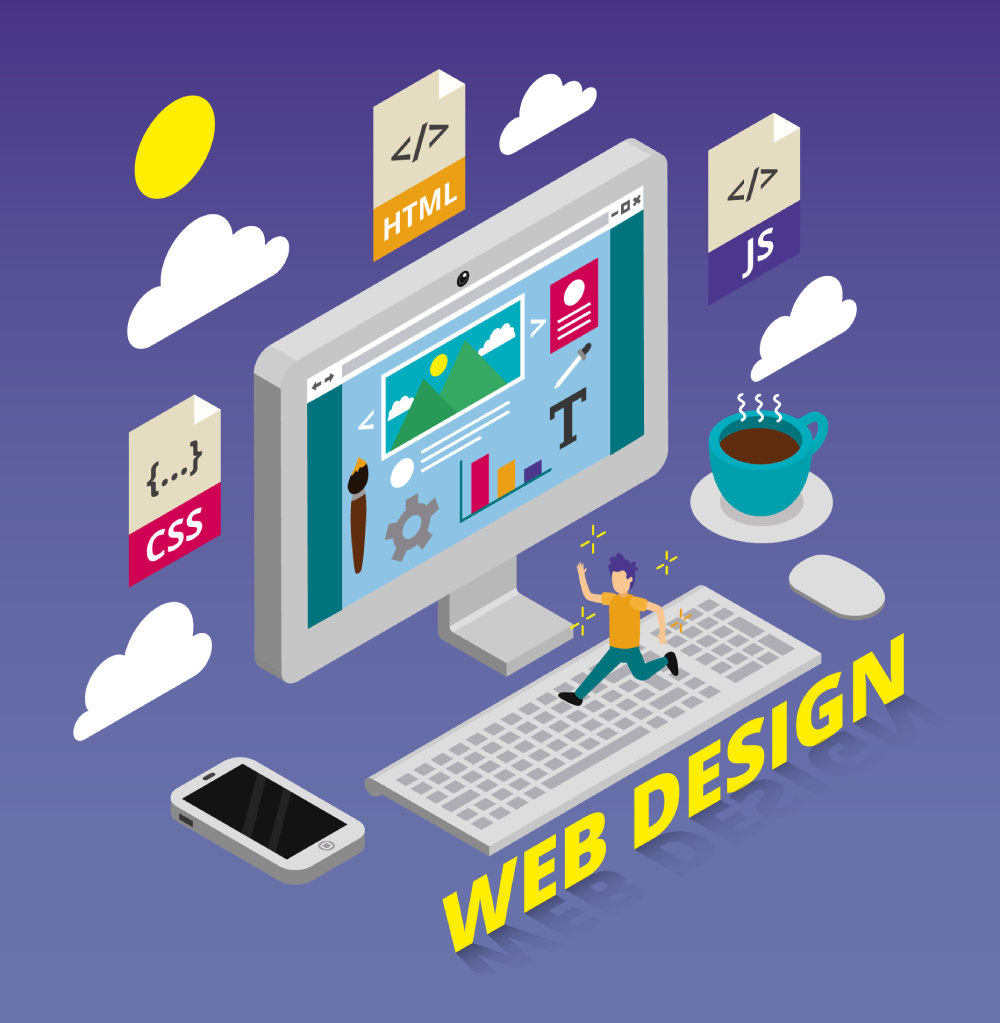
Since many people access websites through smartphones and tablets, mobile-friendly design is no longer optional. A responsive website automatically adjusts to different screen sizes, providing a consistent experience across computers, phones, and other devices.
Regularly reviewing and updating your website design helps keep it modern and effective. Design preferences, user expectations, and digital trends continue to change, so small improvements can have a major impact. Updating colours, improving features, adjusting layouts, or adding useful tools can help your website remain competitive and relevant.
A successful website combines attractive design, easy navigation, useful content, and a strong understanding of user needs. By improving these key areas, you can create a website that not only looks better but also delivers a more effective experience for every visitor.

The Complete Roadmap to Creating an Effective Visual Content Marketing Strategy
Creating content has never been easier, but capturing audience attention has become much more difficult. Businesses are competing in an environment filled with endless articles, websites, videos, and digital messages. With so much information available, simply producing more content is no longer enough.
To stand out, brands need to strengthen their marketing efforts with visual elements. Images, videos, graphics, and interactive materials can make messages more powerful, easier to understand, and more memorable.
Visual content marketing is a strategic approach that uses visual elements to attract attention, communicate ideas, educate audiences, and encourage specific actions. It is not just about adding pictures to a piece of content. Effective visual marketing uses design, movement, and storytelling to improve the way information is experienced.
Understanding Visual Assets and Visual Content
Visual assets are individual digital elements created to support communication. These can include images, videos, animations, screenshots, illustrations, diagrams, and other graphic materials.
A visual asset becomes visual content when it is used intentionally to provide value to an audience. For example, a single image may simply support a message, while a complete infographic combines multiple visual elements and information to explain a topic in a more engaging way.
Visual content can include a mixture of visuals and written information. The goal is not always to replace text completely but to use visuals as a way to strengthen the message, improve understanding, and create a better experience.
Both visual assets and visual content serve as the foundation of a successful visual marketing strategy. They help brands communicate more effectively and create materials that audiences are more likely to notice and remember.

Why Visual Content Marketing Is Important
Throughout the customer journey, visual content plays an important role in attracting attention, building trust, and encouraging engagement. Digital spaces are crowded, competition continues to increase, and audiences have limited time to decide what deserves their focus.
Visual marketing helps businesses stand out by presenting information in a way that feels more engaging and accessible. Strong visuals can capture interest quickly, create emotional connections, and encourage people to continue interacting with a brand.
The effectiveness of visual content comes from the way people naturally process information. Humans rely heavily on sight, which means visual messages are often understood faster than large amounts of written information.
Why Visual Content Creates Stronger Results
Visual content performs well because it matches the way people consume and remember information.
People are naturally drawn to visuals. The human brain processes images quickly, allowing audiences to recognize patterns, understand ideas, and react emotionally in a short amount of time. This gives visual content an advantage when brands need to capture attention in competitive environments.
People also tend to scan online content instead of reading every word. Large sections of text can discourage engagement, while images, charts, and videos help divide information into easier-to-follow sections.
Visuals are also strongly connected to emotions. A well-designed image or video can influence how people feel about a message, making it easier for brands to create stronger relationships with their audiences.
Another advantage is memory. Visual information is often easier to recall than written content alone. When a brand uses memorable designs and consistent visual storytelling, customers are more likely to remember the message and recognize the company later.
How to Build a Successful Visual Content Marketing Strategy
Effective visual marketing requires more than creating attractive images. Businesses need a clear plan, the right resources, and a way to measure results.
A strong strategy helps teams understand what they are creating, why they are creating it, and how each visual element supports broader business goals.
Create a Clear Strategy
The first step is documenting your visual content plan. A clear strategy should define goals, target audiences, content types, performance indicators, and the role visuals will play in communication.
Having a documented approach keeps teams aligned and makes it easier to evaluate what is working and what needs improvement.
Understand the Purpose of Visuals
Visual content should always support a specific goal. Before creating graphics or videos, businesses should consider what message they want to communicate and what response they want from the audience.
Different formats serve different purposes. Some visuals are designed to educate, others to promote products, explain processes, build trust, or increase engagement.
Choosing the right format and purpose ensures that visual content contributes to meaningful results.
Find Your Unique Content Focus
Successful brands often have a specific area where they provide unique value. Identifying this focus helps businesses create content that feels distinctive instead of blending into the competition.
A strong visual strategy should address audience needs, solve problems, and support the company’s overall positioning. The best content is created where customer interests and business expertise meet.
Improve Your Creative Workflow
Creating visual content involves people, tools, and processes. Businesses should evaluate how content moves from idea to production and identify areas where improvements can be made.

Better workflows help teams collaborate more effectively, reduce unnecessary tasks, and make the creation process faster and more organized.
Start Small and Expand Gradually
Visual marketing success usually develops over time. Businesses should test different formats, analyze results, and improve their approach before investing heavily in large-scale production.
A gradual approach allows teams to understand what audiences respond to and avoid wasting resources on ineffective content.
Measure Performance and Improve
Tracking results is essential for understanding the impact of visual content. Businesses should define important metrics and regularly review performance.
Useful measurements may include engagement levels, content usage, audience interaction, conversions, and overall effectiveness.
Analyzing these results helps companies improve future content and make better marketing decisions.
Using the Right Technology for Visual Marketing
Modern marketers have access to many digital tools, but choosing too many disconnected platforms can create unnecessary complexity.
The best technology setup allows different systems to work together smoothly. Whether managing customer relationships, email campaigns, creative files, or marketing materials, businesses should focus on creating efficient workflows.
A centralized digital asset management system can help organizations organize and control their visual resources. Instead of storing files across different locations, teams can access approved images, videos, and creative materials from one searchable library.
This type of system improves collaboration by making sure everyone works with the latest versions of content. Designers can access approved files, marketing teams can quickly find campaign materials, and outdated assets can be removed when necessary.
A well-organized visual content system also provides better visibility. Businesses can understand how their content is being used, which materials perform best, and where improvements can be made.
Organizations that manage visual content effectively gain more control over their brand identity and improve the efficiency of their marketing operations.
The Future of Visual Content Marketing
Visual content is no longer an optional part of digital marketing. It has become one of the most important ways businesses communicate with modern audiences.
Brands that combine strong strategies, creative storytelling, effective workflows, and the right technology can create visual experiences that attract attention and build lasting relationships.
The key is not simply creating more visuals, but creating meaningful content that helps audiences understand, connect with, and remember a brand.