Building a Powerful Marketing Strategy: A Complete Guide for Business Growth
Marketing is not only about promoting products or increasing sales. It is about creating meaningful relationships, building credibility, understanding customer needs, and developing a strong position in the market. A successful marketing strategy gives businesses a clear direction for attracting the right audience, communicating their value, and achieving long-term growth.
A marketing strategy is a long-term plan that explains how a company will reach potential customers and encourage them to choose its products or services. It combines broad business goals with practical actions, helping organizations decide what message to communicate, which audiences to focus on, which channels to use, and how to measure results.
To create an effective marketing strategy, businesses need to define what makes their offer valuable, study competitors, understand their target customers, and develop methods for turning potential buyers into loyal customers.

A well-designed marketing strategy helps companies separate themselves from competitors, understand customer behavior, maintain consistent communication, use resources more efficiently, and track whether their efforts are producing meaningful results.
Marketing strategies should not be treated as permanent plans that never change. They should be reviewed and improved regularly as customer expectations, market conditions, technology, and competitive situations develop.
A complete marketing strategy includes several important elements. Businesses need to establish clear goals, determine available resources, analyze competitors, research their audience, decide how products should be positioned, select communication channels, and create methods for measuring performance. When these areas work together, companies gain a stronger foundation for sustainable success.
One useful framework for creating a marketing strategy is the marketing mix, often built around four essential elements: product, price, place, and promotion.
The product element focuses on what a company offers and whether it successfully solves customer problems or satisfies market needs. Businesses should consider product quality, design, features, packaging, and how the offer creates value for customers.
The price element involves deciding how much customers should pay. Companies must find a balance between profitability and customer expectations while ensuring that pricing supports the desired market position.
The place element refers to distribution and availability. Businesses need to determine where customers can purchase their products and whether those locations or platforms make it convenient for customers to access what they need.
The promotion element covers how customers discover and understand a product. This includes advertising, communication messages, content, campaigns, and the channels used to reach the intended audience.
Before creating detailed campaigns, companies should establish clear marketing objectives that support their overall business goals. These objectives provide direction for decision-making and help teams understand what success should look like.
For example, a business focused on increasing revenue may create marketing objectives around attracting new customer groups, improving customer loyalty, or increasing demand for specific products. A company introducing a new product may focus first on increasing awareness and building recognition.
Marketing goals should be specific, measurable, realistic, relevant, and connected to a timeline. Clear goals allow businesses to evaluate progress and make adjustments when necessary.
Budget planning is another essential part of marketing strategy development. Marketing requires investment, and businesses must carefully decide how much they can spend and where resources should be allocated.
When creating a marketing budget, companies should review current activities and determine which campaigns generate positive results and which ones fail to provide enough value. They should also examine how competitors invest in marketing and consider how marketing expenses affect the wider financial situation of the business.
Successful companies often reserve part of their budget for testing new approaches. Experimentation allows businesses to discover new opportunities while reducing risk through careful measurement and analysis.
Competitive research is also critical when building a marketing strategy. Understanding competitors helps businesses identify their own advantages, recognize market opportunities, and create stronger positioning.

A detailed competitive analysis allows companies to discover who their main competitors are, compare their products and services, evaluate strengths and weaknesses, and identify areas where customer needs are not being fully addressed.
Another important marketing approach is segmentation, targeting, and positioning. This process helps businesses divide a broad market into smaller customer groups, select the most valuable audiences, and create messages that connect with their specific needs.
Customer groups can be divided based on many characteristics, including age, income, education, lifestyle, values, interests, purchasing habits, location, and communication preferences.
Businesses often create customer profiles based on collected data to better understand their ideal buyers. These profiles help guide decisions related to branding, advertising, content creation, and customer communication.
Content strategy is another major part of modern marketing. After researching customers and competitors, businesses can develop a plan for creating and distributing useful content across different platforms.
The purpose of content marketing is to connect business goals with customer interests. Instead of only promoting products, companies create valuable information that educates, informs, or entertains their audience.
Content can take many forms, including videos, articles, guides, social media posts, newsletters, online courses, podcasts, and educational materials. Choosing the right format depends on customer preferences, industry trends, and campaign objectives.
Measuring performance is essential for understanding whether a marketing strategy is successful. Businesses use analytics and key performance indicators to evaluate results and determine which activities create value.
Important marketing measurements may include website visits, customer retention rates, new leads, email engagement, social media growth, sales performance, and customer interactions.
The most useful performance indicators are connected directly to business goals. For example, increased website traffic is valuable only when it contributes to stronger customer engagement, more sales, or other meaningful outcomes.
Creating a successful marketing strategy can be organized into several practical steps.
The first step is conducting market research. Businesses should study competitors, analyze industry information, collect customer feedback, and identify customer needs, motivations, and challenges. This research provides the foundation for better strategic decisions.
The second step is defining marketing goals. These goals should support the company’s overall direction and may include increasing market presence, improving customer loyalty, entering new markets, strengthening brand reputation, or increasing sales.
The third step is identifying target audiences. Research data should be used to separate customers into meaningful groups and create detailed profiles that explain their behaviors, expectations, and purchasing decisions.
The fourth step is analyzing competitors. Companies should examine competitor products, pricing, customer experiences, marketing methods, and market positions. This helps reveal opportunities and allows businesses to highlight their unique advantages.
The fifth step is developing key messages. Businesses should create a clear explanation of why customers should choose their products or services. This message should communicate the company’s value and remain consistent across different marketing channels.
The sixth step is selecting marketing channels. Businesses can use many options, including websites, search engines, email campaigns, social media, advertising, content platforms, and partnerships. The best combination depends on customer behavior, available resources, and business objectives.
The seventh step is establishing performance tracking systems. Before launching campaigns, businesses should decide how success will be measured. Analytics tools and clearly defined indicators help companies understand results and improve future activities.
The eighth step is documenting the complete strategy. A marketing strategy document keeps teams aligned and provides a clear reference point. It usually includes a summary of objectives, planned actions, budget information, timelines, and important milestones.
Many digital tools can support the creation and execution of marketing strategies.
Social media platforms help businesses publish content, communicate with customers, and run advertising campaigns. Email marketing tools allow companies to create personalized messages, automate communication, test different approaches, and analyze performance.
Content management systems help organizations create and manage digital content across multiple platforms. Search optimization tools support better visibility by improving website performance, researching keywords, tracking rankings, and analyzing search behavior.
Customer relationship management systems help businesses organize customer information, monitor interactions, and improve communication between marketing, sales, and service teams.
Advertising platforms make it easier to create, manage, and evaluate digital campaigns across different channels. Influencer marketing tools help businesses collaborate with relevant creators and measure campaign performance.
Video creation software supports the development of engaging visual content, while market research tools help companies understand customer opinions, trends, and behavior.
Customer data platforms allow businesses to combine information from different sources, such as websites, social media, and purchase activity, creating a more complete understanding of customers.
Event management tools simplify the organization and promotion of events while helping businesses track results and improve future activities.
A successful marketing strategy combines research, creativity, planning, measurement, and continuous improvement. Businesses that understand their customers, adapt to market changes, and use available tools effectively are better prepared to build strong relationships and achieve long-term growth.

10 Ways to Create a Website Experience That Keeps Visitors Engaged
A successful website is not only about attractive design; it is about creating an experience that feels simple, enjoyable, and effortless for every visitor. When users can easily find information, understand your message, and interact with your website without frustration, they are more likely to stay longer and return in the future.
Many websites lose visitors because they are difficult to navigate, overloaded with unnecessary elements, or not designed with user needs in mind. By improving key areas of your website, you can create a smoother experience and encourage stronger engagement.
Make website navigation simple and clear
Visitors should never have to struggle to find important information. A well-organised navigation system allows users to reach their destination quickly and naturally. Complicated menus and unclear page structures can cause frustration and encourage people to leave.
Use a simple menu layout with understandable labels, recognizable icons, and clear buttons. Adding a search feature can also help visitors locate specific information faster, especially on websites with a large amount of content.

Use language that is easy to understand
The content on your website should communicate ideas clearly without making visitors work hard to understand it. Avoid complicated terminology and unnecessary industry-specific phrases that may confuse your audience.
A friendly and natural writing style can make your website feel more approachable. Clear descriptions, short sentences, and helpful information allow users to connect with your content more easily.
Create an attractive and professional design
Your website is often the first interaction people have with your business, so its appearance matters. A well-designed website can build trust, strengthen your brand image, and encourage visitors to explore further.
Pay attention to important design elements such as colours, fonts, images, spacing, and page structure. Every visual choice should support your overall message and create a consistent experience throughout the website.
Optimise your website for all devices
People access websites from many different devices, including computers, tablets, and smartphones. A responsive design ensures that your website automatically adapts to different screen sizes and remains easy to use everywhere.
A mobile-friendly website improves user satisfaction and can also support better visibility in search results. Fast loading times and properly adjusted layouts are especially important for users browsing on smaller screens.
Include high-quality visual content
Images and videos can make your website more engaging and help visitors better understand your products or services. High-quality visuals create a more professional impression and can increase trust in your brand.
For online stores and service-based websites, strong visual content can have a direct impact on customer decisions. Make sure images are clear, relevant, and optimised so they improve the experience without slowing down your website.
Make contact information easy to find
Visitors should be able to contact your business without searching through multiple pages. Hidden or unclear contact details can create frustration and may cause potential customers to leave.
Place important contact information, such as phone numbers, email addresses, or contact forms, in visible locations like the header, footer, or dedicated contact page. Making communication simple helps build confidence and improves customer relationships.
Use empty space effectively
White space, also known as negative space, is an important part of good website design. It creates balance, improves readability, and allows important elements to stand out.
A page filled with too many images, text blocks, and buttons can feel overwhelming. Proper spacing between sections helps visitors focus on the most important information and navigate the website more comfortably.
Make accessibility a priority
An effective website should be usable by as many people as possible, including visitors with different abilities. Accessibility features help create a more inclusive online experience.
Adding alternative text for images, providing captions or transcripts for videos, and ensuring that the website can be navigated using a keyboard are important steps toward better accessibility.
Create strong and clear calls to action
Calls to action help guide visitors toward the next step, whether that means making a purchase, requesting information, signing up, or contacting your business.
Effective CTAs should be easy to notice and use clear, action-focused wording. Visitors should immediately understand what they need to do and what benefit they will receive from taking that action.
Regularly test and improve your website
A website should continue evolving after it launches. Regular testing helps identify problems that may affect user experience, such as broken links, slow pages, missing content, or technical issues.
Check how your website performs across different devices and browsers to make sure every visitor receives a smooth experience. User feedback, analytics, and usability testing can provide valuable insights for future improvements.
Choose a memorable website address
A simple and memorable domain name can make it easier for visitors to remember and return to your website. A strong web address should be short, easy to spell, and connected to your business identity.
Choosing the right domain can support brand recognition and make it easier for customers to find you online.
Creating a great website experience requires attention to design, content, performance, and usability. By improving navigation, making information easier to understand, optimising your design for different devices, and continuously testing your website, you can build a platform that keeps visitors engaged and encourages long-term growth.

7 Powerful Visual Content Formats That Help Brands Capture Attention
Visual content has become one of the most effective ways to connect with audiences online. As the amount of digital information continues to grow, businesses need more creative methods to stand out and keep customers interested.
Visual communication helps brands break through crowded online spaces by making information easier to understand and remember. The purpose of using visuals is not only to attract visitors but also to encourage interaction, strengthen brand recognition, and create a more engaging experience.
Images, graphics, videos, and other visual elements can influence how people consume content. Users often focus more on visual elements than written sections because visuals provide quick information and make complex ideas easier to process.
Why Visual Content Matters for Marketing
Online audiences have limited attention spans, and large blocks of text can quickly feel overwhelming. Most visitors do not read every word on a webpage, but they are more likely to remember information presented through visuals.
Visual elements create a better balance between information and readability. They help explain ideas faster, improve user engagement, and encourage people to spend more time interacting with content. For businesses, this can lead to stronger customer relationships, better conversion rates, and fewer visitors leaving a page too quickly.
Different Types of Visual Content That Attract Audiences
There are many ways to use visual content in digital marketing, but several formats consistently perform well because they are engaging, easy to share, and valuable to audiences.

Data Visualizations
Numbers and statistics can often be difficult to understand when presented without context. Data visualizations transform complex information into clear and appealing graphics that highlight important patterns, comparisons, and connections.
By turning data into a visual story, brands can make information more accessible and interesting. Instead of presenting audiences with large amounts of raw information, marketers can use charts, graphs, and visual summaries to communicate ideas more effectively.
Creating strong data visuals requires choosing the right format and presenting information in a way that supports the audience’s understanding.
Interactive Digital Publications
Static documents can sometimes feel outdated or difficult to explore. Interactive digital publications offer a more engaging alternative by transforming traditional files into experiences that are easier to navigate.
These formats allow users to move through pages smoothly, interact with content, and enjoy a more dynamic reading experience. They are especially useful for reports, guides, catalogs, brochures, and educational materials.
Another advantage is that interactive publications are simple to share. They can be distributed through links, added to websites, or promoted through social platforms without requiring users to download large files.
Infographics
Infographics combine written information with visuals such as icons, illustrations, charts, and design elements to present ideas in a simple and attractive way.
Because they can communicate a large amount of information quickly, infographics are useful in many marketing activities. They can improve articles, support social media campaigns, provide newsletter content, and help attract backlinks.
Marketers do not need advanced design skills to create effective infographics. Many online tools provide customizable templates that can be adapted to match different topics and brand styles.
Live Video Content
Live video has become an important part of digital marketing because it allows brands to communicate with audiences in real time. It creates a sense of authenticity and encourages direct interaction.
Businesses can use live video for many purposes, including behind-the-scenes content, interviews, virtual tours, product demonstrations, online events, previews, training sessions, and educational broadcasts.
Compared with professionally produced videos, live streams usually require fewer resources. A basic setup with a camera, microphone, and internet connection can be enough to create valuable content for audiences of different sizes.
Memes
Memes have developed into a popular form of online communication, and many brands use them to create a more relatable personality.
Humor can help businesses appear more approachable and build stronger connections with customers. Instead of maintaining a distant corporate image, brands can use familiar cultural references and creative humor to encourage engagement.
Since memes are often easy to recognize and share, they can help companies increase visibility while creating a more personal relationship with their audience.

Presentations
Presentations are no longer limited to traditional meetings. With more communication happening digitally, well-designed presentations have become valuable marketing assets.
A strong presentation can simplify complicated topics, educate customers, explain products, and support business goals. It can also be transformed into other formats, such as social media slides, videos, or educational materials.
Effective presentations combine clear messaging with attractive visuals to keep audiences interested and make information easier to remember.
Screenshots and Tutorials
Educational content plays an important role in helping customers understand products, services, and processes. Screenshots are one of the simplest and most effective visual tools for creating tutorials.
Instead of explaining every step with lengthy text, marketers can show users exactly what actions to take. Screenshots make instructions clearer, while screen recordings add movement and demonstrate processes in real time.
Tutorials that use visual guidance can improve customer experience, reduce confusion, and help users become more confident when interacting with a product or service.
Visual content continues to be a powerful marketing tool because it helps audiences understand information faster and encourages stronger engagement. By choosing the right visual format, brands can create content that is easier to consume, more memorable, and more effective across digital platforms.

Brand Identity Blueprint: How to Create Recognition, Trust, and Long-Term Success
A brand is much more than a product or service. It represents the personality, values, and reputation of a business, helping it stand out in a competitive marketplace. Through visual design, messaging, customer experience, and marketing efforts, a brand creates a unique identity that customers can recognize and remember. A strong brand builds confidence, influences purchasing decisions, and gives a business an advantage over competitors offering similar products or services.
Over time, successful branding creates what is known as brand equity—the added value customers associate with a business because of its reputation. This value can increase customer loyalty, justify premium pricing, and strengthen a company’s position in the market. Because a brand becomes one of a company’s most valuable assets, businesses often protect their names, logos, and other identifying elements through legal trademarks.

Brand identity is made up of the visual and verbal elements that distinguish a business from others. These may include a company name, logo, color palette, typography, packaging, tagline, or overall design style. Together, these components communicate a consistent message and create a memorable impression. Effective branding ensures that customers instantly recognize a business and associate it with specific qualities, such as reliability, innovation, affordability, or quality.
Developing a recognizable brand requires careful planning, research, and continuous investment. Businesses study their target audience to understand customer expectations, preferences, and behaviors before creating marketing strategies that reflect those insights. Maintaining a consistent image across advertising, websites, social media, packaging, and customer service strengthens recognition and builds trust over time.
Brand perception often shapes buying decisions even when similar products offer nearly identical features. Consumers may choose one option over another because they believe it offers better quality, greater reliability, or a more enjoyable experience. These perceptions are created through effective communication, visual presentation, positive customer experiences, and consistent messaging rather than product features alone.
For new businesses, building a brand is especially important. Without an established reputation, companies must earn customer confidence by delivering value, creating memorable experiences, and clearly communicating what makes them different. Understanding the needs and expectations of the target audience allows businesses to create stronger emotional connections and encourage repeat purchases.
Marketing plays a central role in strengthening a brand. Consistent promotional campaigns help keep a business visible and memorable, ensuring it remains a top choice when customers are ready to buy. A well-established brand often becomes one of a company’s most valuable assets because it influences customer loyalty, business growth, and long-term profitability.
The idea of branding has existed for thousands of years. Early merchants and craftsmen used symbols or marks to identify the origin of their goods and distinguish their work from competitors. As commerce expanded, branding evolved from simple identification into a strategic marketing tool that helped businesses communicate quality, reliability, and uniqueness. During the industrial era, branding became increasingly important as manufacturers searched for ways to differentiate mass-produced products.
Creating a memorable brand begins with defining how a business wants to be perceived. Every element, from visual design to customer communication, should reflect that desired image. Businesses often invest in professional design, market research, and strategic planning to develop an identity that appeals to their ideal customers and remains consistent across every customer interaction.
As customers repeatedly experience positive interactions with a brand, they begin to develop trust and familiarity. This trust leads to stronger customer relationships and increases the likelihood of repeat purchases. When customers consistently choose the same business over competitors, brand loyalty develops, making it easier for companies to introduce new products or expand into additional markets.
There are several different types of branding, depending on the purpose and the audience. Corporate branding focuses on the overall reputation and identity of an entire business rather than a single product. It reflects the company’s mission, values, culture, pricing strategy, and communication style while creating a unified image across all products and services.
Personal branding centers on individuals rather than businesses. Professionals, entrepreneurs, creators, and public figures build personal brands by sharing expertise, experiences, and content through digital platforms and public engagement. A strong personal brand helps establish credibility, attract opportunities, and build loyal audiences that trust the individual’s knowledge and recommendations.
Product branding focuses on giving individual products their own unique identities. Businesses conduct market research to identify customer needs and position each product effectively within its target market. Some organizations also create a master brand that connects multiple products or services under one recognizable identity, allowing customers to easily associate new offerings with an already trusted reputation.
A well-developed brand provides numerous advantages. It helps businesses create emotional connections with customers, improve recognition, strengthen credibility, and build trust. Strong branding also supports premium pricing because customers are often willing to pay more for products and services they believe offer greater value or reliability.

Brand strength makes launching new products easier. Customers who have positive experiences with one offering are generally more willing to try additional products from the same company. This familiarity reduces uncertainty and encourages long-term customer retention, allowing businesses to expand their product lines more successfully.
Many successful businesses demonstrate that consistent branding creates lasting value. Clear messaging, memorable visual identity, reliable quality, and positive customer experiences all contribute to building strong market recognition. Businesses that maintain these qualities over time are more likely to remain competitive even as markets evolve.
In marketing, a brand represents the complete identity customers associate with a product or service. It includes tangible elements such as logos and packaging as well as intangible qualities like reputation, trust, customer experience, and perceived value. These associations influence purchasing decisions and often become more important than the product itself.
Brand equity refers to the financial and strategic value generated by a strong reputation. Businesses with high brand equity often enjoy greater customer loyalty, increased market influence, and stronger long-term profitability. Their reputation becomes an important business asset alongside physical resources and infrastructure.
Although some brands remain successful for generations by adapting to changing customer preferences and market trends, others disappear because they fail to innovate or respond to evolving consumer expectations. Long-term success depends on continuous improvement, consistent customer experiences, and the ability to remain relevant in a constantly changing marketplace.
Ultimately, building a successful brand requires more than attractive visuals or memorable advertising. It demands a clear identity, a deep understanding of customers, consistent communication, and a commitment to delivering value. Businesses that invest in these areas create stronger customer relationships, improve market recognition, and establish a foundation for sustainable growth.

Creating an Effective Marketing Strategy for Long-Term Business Growth
A marketing strategy is a detailed approach that helps a company reach its objectives by connecting with the right audience and creating value for customers. It is built on research and analysis, taking into consideration a company’s resources, market conditions, customer expectations, industry trends, and competitive environment. A successful strategy allows businesses to identify opportunities, strengthen their position, and improve the results of their marketing investments.
Companies usually build their strategies around several key approaches. Some focus on offering more affordable products or services, while others compete by creating unique solutions, improving customer experiences, or targeting specific market segments. The right approach depends on the company’s capabilities, the behavior of competitors, and the current stage of development within the industry.
Understanding the forces that influence a market is essential when creating a marketing strategy. Political changes, economic conditions, social trends, and technological developments can all affect what customers want and how they make purchasing decisions. Businesses that monitor these factors are better prepared to adjust their strategies and remain competitive.
A marketing strategy is not a fixed document that remains unchanged forever. Markets continue to evolve, customer preferences shift, and new competitors appear. Because of this, companies need to regularly review and update their strategies to maintain growth, protect their market position, and achieve better returns on their investments.
Having a strong product or service alone does not guarantee success. Even the most innovative solutions can fail if customers do not know they exist, understand their value, or see how they solve a problem. Effective marketing is not simply about promoting a product; it is about reaching the right people with the right message through the right channels.
Different products require different marketing approaches. A campaign designed for one audience may be ineffective when shown to another group with different needs and interests. For example, a product aimed at older consumers should be promoted through channels where that audience is more likely to engage, while products for younger or more specialized groups require different communication methods.
Successful marketing begins with identifying the target audience and understanding their behavior. Businesses must determine who their potential customers are, what influences their decisions, what challenges they face, and where they search for solutions. After identifying the audience, companies can select the most suitable combination of marketing tools, platforms, and messages to encourage purchases.
A well-developed marketing strategy improves the return on investment by creating a clear plan for achieving business goals. It is based on analyzing customer needs, market opportunities, competitor activities, and internal company strengths. Instead of relying on assumptions, businesses use information and evidence to make more effective decisions.
Several important factors influence the development of a marketing strategy. One of the first considerations is the company’s existing resources, knowledge, and abilities. Businesses should understand what they are capable of producing, improving, or delivering before entering new markets. For example, a company with strong technical expertise may be well positioned to develop complex products, while another organization may need additional resources before expanding into a new area.
Market conditions are another important factor. Economic changes, cultural shifts, technological progress, and political developments can influence customer expectations and create new opportunities or challenges. Technology, in particular, has transformed the way companies collect information, communicate with customers, and deliver products.
Competition also plays a major role in strategic planning. Almost every successful business eventually faces competitors offering similar products or services. To succeed, companies must understand what makes their competitors attractive and identify ways to create a stronger position. This may involve better quality, lower prices, improved service, stronger branding, or a more specialized offer.
The stage of an industry’s development also affects marketing decisions. Some companies succeed by introducing new ideas and entering markets first. Others achieve success by improving existing concepts, making products more accessible, reducing costs, or adapting solutions to changing customer needs.
Businesses must also recognize strategic opportunities that exist only for limited periods. These opportunities appear when market demand and company capabilities align. However, once customer preferences change or technology advances, these opportunities may disappear. Companies that fail to adapt risk losing their competitive advantage.
After defining goals, businesses usually develop a competitive strategy to strengthen their market position. There are three common approaches: becoming a low-cost provider, creating meaningful differences from competitors, or focusing on a specific niche market.
A low-cost strategy focuses on delivering products or services at a lower price while maintaining acceptable value. A differentiation strategy emphasizes unique features, quality, customer experience, or brand identity. A niche strategy targets a specific group of customers with specialized needs that larger competitors may overlook.
The most effective strategy depends on many factors, including industry conditions, customer expectations, competitor behavior, company resources, and available opportunities. Even businesses selling similar products may require completely different strategies because their strengths and market positions are different.
Industries often demonstrate how changing market conditions require businesses to adapt their marketing strategies. Companies in areas such as transportation, technology, healthcare, and consumer products have all had to adjust their approaches as customer behavior and industry challenges changed.
In the vehicle market, changing customer preferences transformed the traditional approach to selling products. Customers began placing greater importance on affordability, efficiency, environmental responsibility, and flexible ownership options. This created new challenges for companies that had previously relied on traditional sales methods.

The growth of leasing programs also changed the market by increasing the number of previously owned vehicles available for resale. Businesses responded by developing programs that provided customers with greater confidence when purchasing used products. These programs focused on quality guarantees, inspections, and added value to reduce concerns associated with buying previously owned vehicles.
To create effective strategies for these changing conditions, businesses needed to study customer behavior more carefully. Research showed that buyers of higher-quality used vehicles often had different motivations compared with traditional used-product customers. They were more focused on specific brands, reliability, and overall value rather than simply choosing the cheapest option.
Understanding these customer differences allowed businesses to improve their marketing messages and invest their resources in more effective channels. Digital platforms also became increasingly important because many customers began researching products online before making purchasing decisions.
The healthcare and pharmaceutical sectors have also experienced major changes in marketing strategies. In the past, companies primarily communicated with professional audiences rather than directly with consumers. Over time, changes in consumer awareness, regulations, and healthcare expectations created new opportunities and challenges.
The increasing cost of research and development made it more important for companies to maximize the value of their products. As competition increased and customer expectations became more complex, businesses needed more advanced strategies to maintain profitability.
One important approach involved managing products throughout their entire life cycle. Companies worked to maintain customer loyalty, improve existing products, introduce updated versions, and create additional value even after competitors entered the market.
When exclusive rights for a product expire, competition often increases because alternative versions become available. To protect their position, companies may focus on strengthening customer relationships, improving product benefits, developing updated solutions, or finding new ways to serve customer needs.
Another strategy involves creating new combinations or improved versions of existing products. By adapting products to changing market demands, businesses can continue offering value and extend their competitive advantage.
Companies may also explore different pricing strategies, introduce alternative versions of their products, or expand into new market segments. The goal is to remain relevant while responding to changes in customer behavior and competitive pressure.
A successful marketing strategy requires continuous evaluation and adaptation. Businesses must understand their customers, monitor competitors, follow market developments, and use their available resources effectively. Companies that remain flexible and respond to change are better positioned to achieve long-term success and improve their overall performance.

7 Effective Improvements to Create a Stronger Website Homepage
Your homepage is often the first place visitors interact with your website, which means it plays a major role in shaping their opinion of your business. A well-designed homepage should provide updated information, guide users toward important actions, and create a professional first impression. By improving a few key areas, you can make your website more engaging and effective.
Keep your homepage content fresh and updated
Outdated information can make your business appear inactive or unprofessional. Even useful content, such as seasonal offers, promotions, or announcements, can lose value if it remains visible long after it is relevant.
Create a regular schedule to review your homepage and update the information displayed there. Check headlines, offers, images, business details, and any featured content to ensure everything reflects your current services and goals.

Include a clear call to action
Every homepage should encourage visitors to take a specific next step. Think about the most valuable action you want users to complete and make that option easy to find.
A call to action could encourage visitors to subscribe to your newsletter, explore your products, request a quote, book a service, or contact your business. The key is to make the purpose clear and remove any confusion about what visitors should do next.
Make contact details easy to access
Visitors should never have to search for basic contact information. If people are interested in your products or services but cannot quickly find a way to reach you, you may lose potential opportunities.
Display important contact details, such as a phone number, email address, or business location, in visible areas of your website. Many businesses place this information in the header or footer so it remains available on every page. A clearly marked contact page is also helpful for users who need more details.
Use engaging images and videos
Large sections of text can make a homepage feel overwhelming. Adding relevant images and videos helps break up content, attract attention, and create a stronger emotional connection with visitors.
Use high-quality visuals that represent your business, products, or services. Professional photographs can make a significant difference in how trustworthy and appealing your website feels. Videos can also increase engagement by showing how a product works, explaining a service, or introducing your business in a more personal way.
Refresh your website design
Website design trends change over time, and an outdated appearance can affect how visitors view your business. A homepage that looks old-fashioned may create the impression that your company is not keeping up with current expectations.
Updating the entire website is ideal, but improving the homepage can already make a major impact. Focus on modern layouts, cleaner designs, better visuals, and improved usability to create a stronger first impression.

Improve loading speed
A slow homepage can quickly drive visitors away. People expect websites to load quickly, and delays can reduce engagement and negatively affect the overall user experience.
Review your homepage performance and identify areas that may be slowing it down. Optimising images, reducing unnecessary elements, improving website structure, and using efficient technologies can help create faster loading times.
Make your homepage mobile-friendly
Many visitors access websites through smartphones and tablets, so your homepage must work properly on all screen sizes. A website that looks good on a computer but performs poorly on mobile devices can create frustration and cause users to leave.
A responsive design automatically adjusts the layout, images, and content to fit different devices. Ensuring your homepage is mobile-friendly improves usability, supports better search visibility, and helps visitors have a smooth experience wherever they access your website.
A strong homepage requires ongoing attention and improvement. By keeping content updated, guiding visitors with clear actions, improving design quality, increasing speed, and ensuring mobile compatibility, you can create a homepage that attracts visitors and encourages them to engage with your business.

10 Smart Strategies to Strengthen Your Brand Growth in the Coming Year
Growing a brand requires more than simply increasing visibility or attracting short-term attention. Businesses of all sizes need a clear growth strategy that helps them build recognition, connect with customers, and create long-term value. Whether you are developing a new brand, improving an existing one, or expanding into new markets, the right approach can help you overcome challenges and discover new opportunities.
A successful growth plan combines long-term brand development with immediate marketing activities. While short-term campaigns can generate quick results, consistent investment in brand awareness helps businesses stay memorable and build stronger relationships with future customers. Both elements work together to create sustainable growth.
One important approach is maintaining a healthy balance between brand-building and direct response marketing. Long-term branding activities focus on creating awareness, emotional connections, and customer trust before people are ready to make a purchase. These efforts include storytelling, creative campaigns, and experiences that strengthen how customers perceive a business.
At the same time, performance-focused marketing helps convert existing demand into measurable results. Paid advertising, promotional campaigns, email marketing, and sales-focused activities encourage customers who are already interested to take action. A strong marketing strategy combines both approaches instead of relying entirely on immediate conversions or only on future brand awareness.
Another effective method for improving customer relationships is using information that customers willingly provide. As privacy expectations continue to increase, businesses can benefit from collecting direct feedback, preferences, opinions, and purchasing intentions from their audiences. This type of customer-provided information allows companies to create more relevant experiences while respecting individual privacy.
Businesses can gather valuable insights through surveys, preference forms, feedback systems, loyalty programs, and interactive experiences. This information can be used to personalize recommendations, improve communication, create more relevant offers, and better understand customer expectations. When customers feel understood, they are more likely to develop stronger connections with a brand.

A powerful way for smaller businesses to compete is by creating a clear position that highlights their unique advantages. Instead of trying to appeal to everyone, brands can define what makes them different and focus on customers who value that difference. A strong positioning strategy helps businesses stand apart from larger competitors by emphasizing a specific benefit, perspective, or solution.
Sometimes, the best way to create recognition is by clearly showing how your approach differs from existing alternatives. This does not mean focusing only on competitors, but rather identifying an important gap in the market and explaining why your solution is a better fit for a specific audience. A distinct position makes it easier for customers to understand why they should choose your brand.
Many businesses also make the mistake of focusing only on people who are ready to buy immediately. While active buyers are important, a much larger group of potential customers may not currently be searching for a solution. These future customers still need to recognize and remember your brand before they enter the buying process.
Maintaining consistent brand visibility throughout the year helps businesses remain familiar when customer needs eventually change. Regular communication, valuable content, and ongoing marketing efforts ensure that your brand stays present in customers’ minds instead of disappearing between sales periods.
Pricing is another important factor in brand growth. Reducing prices may create temporary increases in demand, but constantly competing through discounts can weaken brand value. A stronger approach is focusing on the benefits customers receive and creating pricing structures that reflect the value provided.
Businesses can explore different pricing options, such as premium offerings, service packages, or multiple product levels, to meet different customer needs while protecting their overall positioning. Strategic pricing allows companies to improve profitability while maintaining a strong perception of quality and value.
Growth often begins by becoming highly valuable within a specific niche before expanding to a wider audience. Smaller brands can achieve success by identifying underserved customer groups and creating solutions designed specifically for their needs. Once they establish trust and recognition in that segment, they can gradually expand into broader markets.
Focusing on a specialized audience allows businesses to develop deeper expertise, create stronger messaging, and build loyal communities. A well-defined niche can become the foundation for larger growth because it provides a clear starting point and a strong reason for customers to choose the brand.
Technology, especially artificial intelligence, is becoming an important tool for improving marketing efficiency and personalization. Businesses can use modern technology to analyze customer behavior, identify patterns, improve targeting, test different messages, and optimize campaigns more quickly.
AI-powered tools can help companies understand their audiences, create more relevant content, automate repetitive tasks, and make better decisions based on data. When used strategically, technology allows businesses to deliver personalized experiences while saving time and improving marketing performance.
Creating recognizable brand elements is also essential for long-term success. A brand becomes stronger when customers can easily identify it through consistent visual and communication choices. Logos, colors, design styles, writing tone, and other recognizable features should work together to create a memorable identity.
However, strong branding is not only about appearance. The content a business creates should reflect its values and connect emotionally with its audience. Meaningful stories, useful information, and authentic communication help customers develop stronger relationships with a brand.
Consistency is one of the most important factors in maintaining brand growth. Businesses that only promote themselves during busy seasons risk losing visibility and customer attention during quieter periods. Regular marketing activity helps maintain awareness and creates stronger results when major sales opportunities appear.
A continuous presence through content, campaigns, customer engagement, and communication allows brands to remain relevant throughout the year. Consistency also provides more opportunities to learn from customers and improve future marketing decisions.

Finally, successful brands regularly review their strategies and adapt when necessary. Customer preferences, market conditions, and technology continue to change, so businesses must remain flexible. Tracking campaign performance, analyzing customer behavior, and testing new approaches help identify what works best.
Long-term growth comes from continuous improvement rather than a single marketing campaign or one-time investment. Brands that combine strategic positioning, customer understanding, consistent communication, innovation, and adaptability create stronger foundations for lasting success.

A Practical Guide to Building a Visual Content Marketing Strategy
Visual content has become one of the most effective ways for businesses to connect with audiences. Many brands are already using images, videos, graphics, and interactive formats to capture attention and create stronger engagement.
Traditional content marketing has often focused on written formats such as blog posts, emails, and articles. While text is still valuable, relying only on words can make it harder to stand out in a crowded digital environment.
The main purpose of content marketing is not simply to publish more material or achieve higher rankings. The real goal is to attract attention, build relationships with audiences, and create experiences that people remember.
Visual content helps achieve this by meeting users in the places where they already spend time. Instead of asking audiences to focus only on written information, brands can communicate through formats that are faster to understand and easier to interact with.
The challenge for many businesses is not recognizing the importance of visual content but knowing how to begin creating and using it effectively. A successful strategy requires the right resources, tools, platforms, and creative approach.
By following a few important steps, businesses can create a strong foundation for visual marketing and develop content that attracts more attention.

Start by Building the Right Team
Creating visual content can be done internally, but having additional support often makes the process easier and more scalable. As visual content begins attracting more attention, businesses need the ability to consistently produce new materials.
Professional designers and creative specialists can bring skills that may not exist within a company. Visual design requires experience with composition, branding, and storytelling, while video production often involves even more technical knowledge.
Hiring a full-time designer or video specialist may not be realistic for every business, especially smaller companies. However, freelance professionals can provide high-quality support when needed.
Working with the same creative partners over time can also help maintain a consistent visual style. A recognizable design approach across websites, social channels, and marketing materials helps strengthen brand identity.
Choose the Right Tools
Businesses that prefer creating visual content themselves need reliable software to support their work.
For graphic design, user-friendly platforms can help beginners create professional-looking images without advanced design knowledge. More experienced creators may choose professional design programs that provide greater control and flexibility.
Video creation also requires suitable editing tools. Simple projects can often be completed with basic video editors, while more complex productions may require advanced software.
The tools selected should match the type of content being created. Simple social media graphics and quick videos do not always require expensive programs or complicated workflows.
Use Visual Elements Throughout Your Content
Once the right resources and tools are available, the next step is integrating visuals into everyday marketing activities.
Adding images to articles can make written content more appealing and easier to follow. Businesses can also improve social media performance by using custom graphics, videos, illustrations, and other visual formats.
Some effective ways to introduce more visual content include:
Adding a main image to every article
Including multiple visuals throughout longer content
Creating customized social media graphics
Sharing visual posts regularly
Publishing infographics
Adding videos to educational or promotional content
These actions create a stronger visual presence and help audiences engage with information more easily.
Explore Visual-First Platforms
Visual content is not limited to adding pictures to blog posts. Many digital platforms are built specifically around images, videos, and creative storytelling.
Using these platforms allows brands to reach audiences in different ways and create more interactive experiences.
Short-form video platforms can help businesses connect with younger audiences and create authentic behind-the-scenes content. Their fast growth and high engagement potential make them valuable tools for expanding reach.
Image-based social networks allow brands to showcase products, share creative ideas, and build communities through strong visuals. High-quality images, relevant keywords, and an engaging profile can significantly improve audience interaction.
Video platforms remain one of the strongest opportunities for visual marketing. Businesses can use them to publish tutorials, demonstrations, educational content, and brand stories while reaching people who actively search for information.
Presentation-sharing platforms can also support brand authority by allowing companies to share expertise through well-designed slides and educational materials.
Image discovery platforms are especially useful for businesses that rely on visual inspiration, product discovery, and lifestyle-focused marketing. They can also support website traffic and search visibility.

Learn From Successful Visual Content Strategies
Studying effective examples can help businesses understand how visual marketing works in practice.
Some brands succeed because they create content that matches their audience’s interests and expectations. They use consistent design styles, creative storytelling, and engaging formats to encourage interaction.
Educational brands often use visuals to make complex topics easier to understand. Product-focused companies create attractive images and videos that highlight their offerings in memorable ways.
Strong visual marketing usually has several things in common: it understands the audience, communicates clearly, maintains a consistent style, and encourages people to take action.
Visual content is no longer just an optional addition to marketing strategies. It has become an essential way to communicate in a digital world where attention is limited.
Businesses that invest in thoughtful visuals can improve engagement, strengthen their brand presence, and create more meaningful connections with their customers.
Building a Winning Marketing Strategy in the Modern Business World
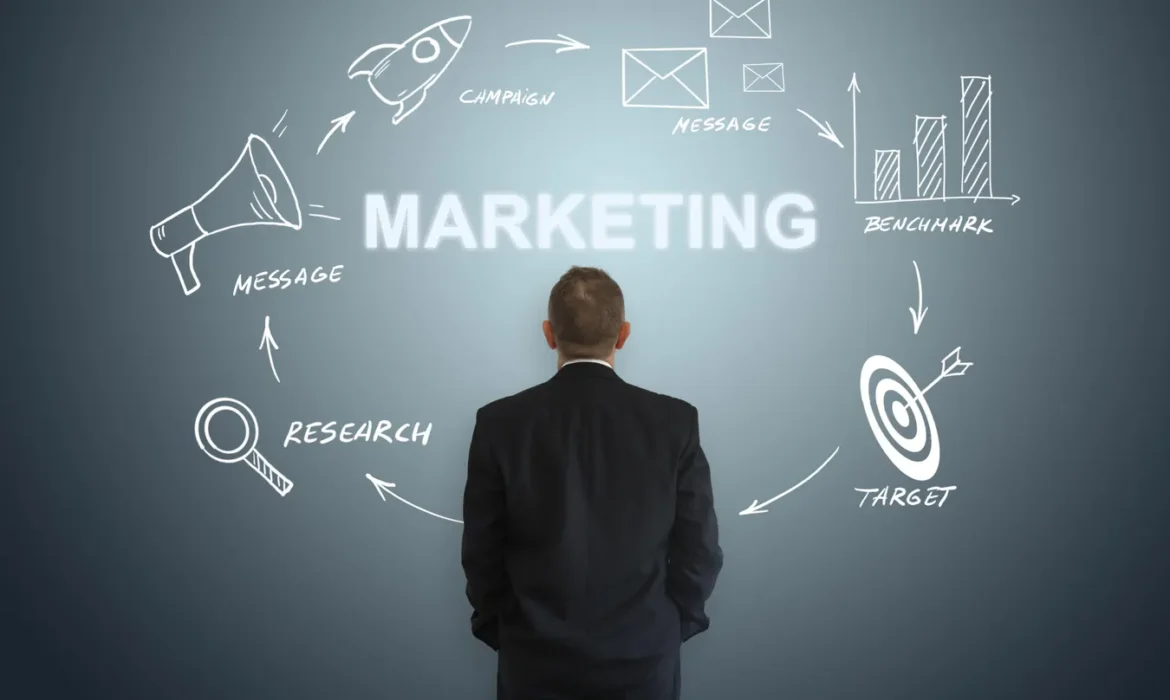
A marketing strategy is a structured plan that helps a business attract customers, communicate its value, and achieve growth. It defines who the business wants to reach, what those customers need, how the company can stand apart from competitors, and how its products or services can solve real problems.
A good marketing strategy works like a roadmap. Instead of making random decisions or launching campaigns without direction, businesses use a strategy to understand where they want to go and how they can reach their audience effectively.
Having a clear marketing strategy is important because it helps companies stay connected with customers, create products that match market needs, and choose the best ways to communicate with potential buyers. Without a plan, businesses may waste resources, send unclear messages, or miss opportunities.
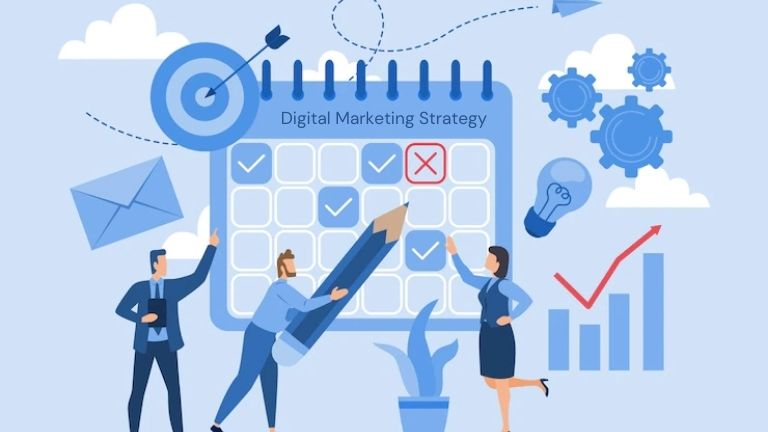
A strong strategy provides several advantages. It keeps marketing activities focused by giving teams clear priorities instead of relying on trial and error. It improves customer understanding by identifying what people want, what challenges they face, and what influences their decisions. It also helps businesses create a unique identity that separates them from competitors in crowded markets.
Another benefit is better resource management. Planning allows companies to spend their budget more effectively and avoid unnecessary expenses. A strategy also makes decision-making easier because new ideas and opportunities can be evaluated based on whether they support the company’s long-term goals.
Marketing covers the complete process of finding potential customers, understanding their needs, creating suitable solutions, and building relationships that encourage loyalty.
A complete marketing strategy usually includes several important elements. The target audience defines the group of people the business wants to reach. Market segmentation helps divide customers into groups based on shared characteristics, behaviors, or needs. A value proposition explains why customers should choose a product or service instead of another option.
The marketing budget determines how financial resources will be distributed, while the product strategy focuses on what the company offers. Brand messaging explains how the business presents itself and what position it wants to hold in the market. Promotional activities highlight additional ways to attract customers, while a content strategy explains how useful information will support business goals. Modern strategies also include artificial intelligence tools that can improve efficiency, analysis, and personalization.
There are many different approaches businesses can use when creating marketing campaigns. Common methods include content marketing, search engine optimization, paid advertising, digital marketing, product marketing, email campaigns, social media marketing, and partnerships.
Although these areas may have separate teams, the strongest results usually come from an integrated approach. When all marketing activities follow the same direction and share a consistent message, customers receive a clearer experience across different platforms.
For example, a company’s website, advertisements, social media content, and promotional materials may have slightly different formats depending on the audience and platform, but the main message should remain consistent. This creates stronger brand recognition and helps customers understand what the business represents.
Before creating a marketing strategy, businesses should complete several important preparation steps.
The first step is understanding the audience. Companies need to research who their ideal customers are, what habits they have, what problems they experience, and where they search for information. The deeper the understanding of customers, the easier it becomes to create effective campaigns.
The next step is setting clear goals. Marketing objectives should be specific and measurable. Goals might include increasing revenue, attracting new customers, introducing a new product, improving brand awareness, or increasing engagement on digital platforms.
After that, businesses need to create a strong message. This message should explain what makes the company different and why customers should choose its products or services. A clear value statement helps build trust and makes marketing communication more effective.
Choosing the right channels is another important decision. Businesses can use websites, social media platforms, email marketing, search advertising, content platforms, and other communication methods. The best choices depend on where the target audience spends time and how they prefer to receive information.

Budget planning is also essential. Companies should understand how much they can invest and distribute resources carefully between different activities. Finally, marketing performance should always be measured. Tracking results through key performance indicators allows businesses to improve their strategy and adjust when necessary.
A practical marketing strategy framework begins with defining business goals. The company’s overall vision should guide marketing objectives and ensure that every activity supports wider growth plans. Goals should be realistic, measurable, and connected to specific outcomes.
The next stage is researching the target market. Businesses need to understand market size, growth opportunities, customer behavior, industry trends, competitors, customer challenges, demographics, and the most effective communication channels. This research helps create accurate customer profiles and improves the ability to compete.
Understanding competitors is especially important. A business cannot build a strong market position without knowing what other companies offer, how they communicate, and where opportunities exist for improvement.
Another useful framework is the seven key areas of marketing: product, price, promotion, place, people, packaging, and process.
Product focuses on how the company meets customer needs. Price considers what customers are willing to pay and how the offer is positioned. Promotion covers the methods used to communicate with customers. Place refers to where customers can access the product or service. People represent everyone involved in delivering the customer experience. Packaging focuses on how the product is presented, and process describes how the product or service reaches the customer.
Understanding customers allows businesses to create better products. Marketing teams play an important role in identifying customer expectations, analyzing feedback, and helping shape product features, pricing, and presentation.
Successful marketing focuses not only on product features but also on customer benefits. People usually make purchasing decisions because a product solves a problem, saves time, improves their experience, or provides value. A product with impressive features will not succeed if customers do not understand how it helps them.
Positioning and messaging should clearly communicate these benefits. Businesses need to understand what matters most to their audience and create messages that highlight those advantages. The same positioning should appear across different marketing channels to create a strong and recognizable identity.
Keeping up with market trends is also important. Modern strategies often include customer-created content, reviews, testimonials, and real experiences because people increasingly trust authentic opinions from other users.
The final part of a marketing strategy is defining the marketing mix. This includes selecting the right combination of channels, campaigns, and activities. Traditional options such as print, television, and radio can still be useful, while digital channels, social platforms, mobile applications, and online communities provide additional opportunities.
A marketing strategy and a marketing plan are connected but different. A strategy defines the overall direction, goals, and long-term approach. A marketing plan focuses on the specific campaigns, actions, schedules, and tactics used to execute that strategy.
Artificial intelligence is becoming an important part of modern marketing because it allows businesses to work faster, analyze more information, and create more personalized experiences.
One major advantage of AI is improved customer understanding. AI tools can analyze large amounts of data to identify patterns, preferences, and behaviors. Businesses can use these insights to create more accurate customer segments and develop better campaigns.
AI also enables personalization on a large scale. Instead of sending the same message to everyone, companies can provide customized recommendations, offers, and content based on individual customer interests and actions.
Customer service can also benefit from AI-powered assistants. Automated systems can answer common questions, provide immediate support, and allow employees to focus on more complex requests.
Predictive analytics is another powerful use of AI. By studying previous information, AI can help businesses forecast trends, understand customer behavior, improve inventory decisions, and identify possible risks.
AI can support content creation as well. While human creativity remains essential, AI tools can help generate ideas, improve existing content, suggest headlines, and optimize materials for better performance.
Advertising is another area where AI creates opportunities. Automated systems can test campaigns, adjust targeting, and improve advertising performance based on real-time results.
Voice and visual search are also becoming more important. Businesses can use AI insights to understand how customers search for products and adapt their content to match new search behaviors.
An AI-enhanced marketing strategy combines traditional research with modern technology. Businesses should first understand their customers through surveys, interviews, and market analysis, then use AI tools to gain deeper insights.
Goals can become more realistic when supported by data analysis and predictions. AI can help identify opportunities, but human creativity is still necessary for creating meaningful messages that connect with people.
Businesses can also use AI to select better communication channels, develop content ideas, personalize customer experiences, automate campaigns, and monitor results continuously.
The future of marketing depends on combining human understanding with intelligent technology. A successful strategy uses research, creativity, customer knowledge, and AI-powered tools together to build stronger relationships and achieve sustainable growth.

Practical Website Design Advice to Help Small Businesses Grow Online
For small businesses, having an effective website is one of the most important steps toward building a strong online presence. A successful website should be easy to use, visually appealing, and designed around the needs of visitors. Since people often decide within seconds whether they want to stay on a website, every element should have a clear purpose.
A simple and organised design is often more effective than a website filled with excessive graphics, animations, and unnecessary features. Too many visual elements can distract visitors from the main message and make the experience confusing. Instead, focus on clean layouts, readable fonts, useful images, plenty of open space, and straightforward navigation. A well-structured website helps visitors quickly find information and encourages them to contact the business or complete an action.
Maintaining a consistent brand identity throughout the website is also essential. The colours, fonts, logo placement, and overall style should match the image your business wants to present. Customers should have the same experience whether they are visiting your website, reading emails, or interacting with your company in another way. A consistent visual identity helps create recognition and builds trust over time.

Before adding content to your website, consider the best format for each type of information. Text should be organised clearly and displayed in a way that is easy to read. Documents that users may need to download or print should be provided in suitable formats. Images should always be optimised before uploading, as large files can slow down your website and create a poor experience for visitors. Using compressed image formats and adjusting image sizes can improve loading speed without reducing quality.
Videos can make websites more engaging, but they should also be prepared carefully. Large video files can negatively affect performance, so compression and proper hosting methods are important. Optimising video quality while reducing file size allows visitors to enjoy smoother playback and faster page loading.
A mobile-first approach is now a necessary part of modern web design. Many people browse websites using smartphones, so your website must work perfectly on smaller screens. A responsive design automatically adjusts content, images, and layouts for different devices, creating a better experience for every visitor. Mobile performance, including loading speed, also plays an important role in how search engines evaluate websites.
Search engine optimisation should be considered from the beginning of the design process. A beautiful website is not useful if potential customers cannot find it online. SEO helps improve visibility in search results and attracts more relevant visitors. Important areas to focus on include researching suitable keywords, improving website speed, creating quality content, optimising individual pages, building trusted links, improving local search visibility, and connecting your website with social media platforms.
User experience should always be a priority when designing a website. Visitors should be able to move through pages naturally, locate important information quickly, and understand what actions they can take next. Clear navigation, fast performance, simple layouts, and effective calls-to-action all contribute to a more successful website.
High-quality images also play a major role in creating a professional appearance. However, visuals should be selected carefully and optimised correctly. Images should have suitable file sizes, accurate descriptions, and alternative text to improve accessibility and search visibility. Proper image placement can make content more attractive while keeping the website easy to use.

Regular website maintenance is necessary to keep everything working properly. Updating software, checking security, improving performance, reviewing content, and creating backups help prevent problems and extend the life of the website. A website should not be treated as a one-time project; it requires ongoing attention to remain effective and secure.
Collecting feedback from visitors is another valuable way to improve your website. User reviews, surveys, and testing can reveal problems that may not be obvious during development. By analysing feedback and making improvements based on real user behaviour, businesses can create a better experience and stay ahead of competitors.
A professionally designed website can make a significant difference for a small business. By focusing on simplicity, branding, performance, mobile compatibility, SEO, usability, and regular improvements, businesses can create an online platform that attracts visitors, builds credibility, and supports long-term growth.