A website should immediately communicate what a business offers, create a memorable impression, and make it easy for visitors to find what they need. Ask yourself: Can someone understand the purpose of the website within a few seconds? Does the design feel different from competitors? Is the navigation simple enough for users to move between pages without confusion? Are visitors leaving too quickly? Are you keeping up with modern design practices?
If any of these areas need improvement, it may be time to review your website and make adjustments. A strong design is not only about appearance but also about creating a smooth experience that encourages visitors to stay, explore, and take action.
Start by creating a clear vision for your website before focusing on individual design elements. Think about the information your audience needs, the pages they are most likely to visit, and the goals you want the website to achieve. Planning your content structure first will make it easier to choose suitable layouts, colours, and visual styles later.

Looking at other websites can provide inspiration, but your design should always reflect your own identity. Use ideas as a starting point, then create something original that helps your website feel recognizable and memorable.
Make sure visitors can easily find ways to contact you, follow your updates, or share your content. Contact information should be visible throughout the website, such as in the header, footer, or another easy-to-access area. If users cannot quickly connect with you, you may lose valuable opportunities even if your content is excellent.
Clear calls to action help guide visitors toward the next step, whether that means learning more, making a purchase, signing up, or contacting you. However, using too many buttons or messages can overwhelm users. Keep your calls to action simple, noticeable, and focused on one clear purpose.
Visual content can greatly improve the appeal of your website. The right images can capture attention, support your message, and make pages more engaging. Choose visuals that match your brand style and communicate the right feeling. If original photography is not available, quality image resources can help you find suitable alternatives that still look professional.
A simple navigation system is essential for a positive browsing experience. Visitors should be able to reach important pages quickly without searching through complicated menus. Avoid adding unnecessary sections and organize less important information into secondary menus when needed.
Empty areas on a webpage are not wasted space. Proper use of space between elements helps create a cleaner layout, improves readability, and allows important content to stand out. A balanced design makes the website easier to understand and more comfortable to browse.
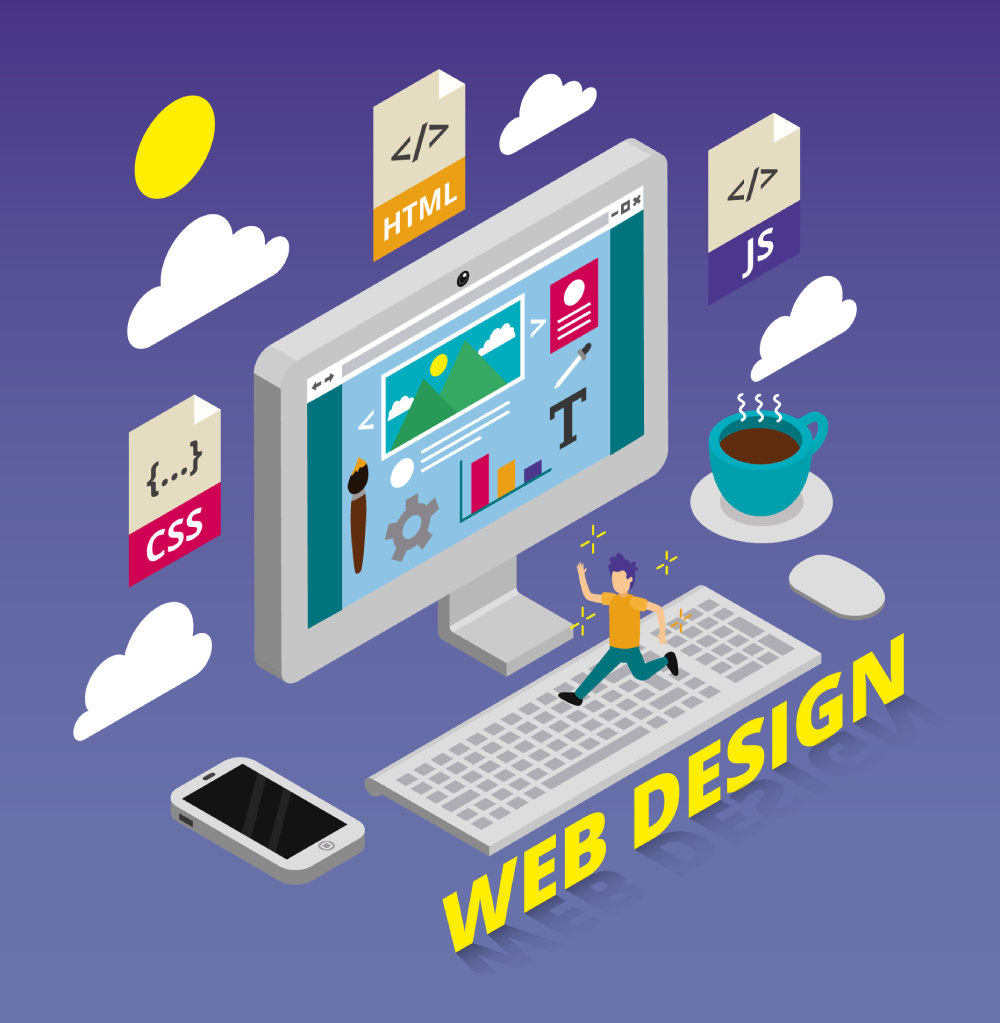
Since many people access websites through smartphones and tablets, mobile-friendly design is no longer optional. A responsive website automatically adjusts to different screen sizes, providing a consistent experience across computers, phones, and other devices.
Regularly reviewing and updating your website design helps keep it modern and effective. Design preferences, user expectations, and digital trends continue to change, so small improvements can have a major impact. Updating colours, improving features, adjusting layouts, or adding useful tools can help your website remain competitive and relevant.
A successful website combines attractive design, easy navigation, useful content, and a strong understanding of user needs. By improving these key areas, you can create a website that not only looks better but also delivers a more effective experience for every visitor.