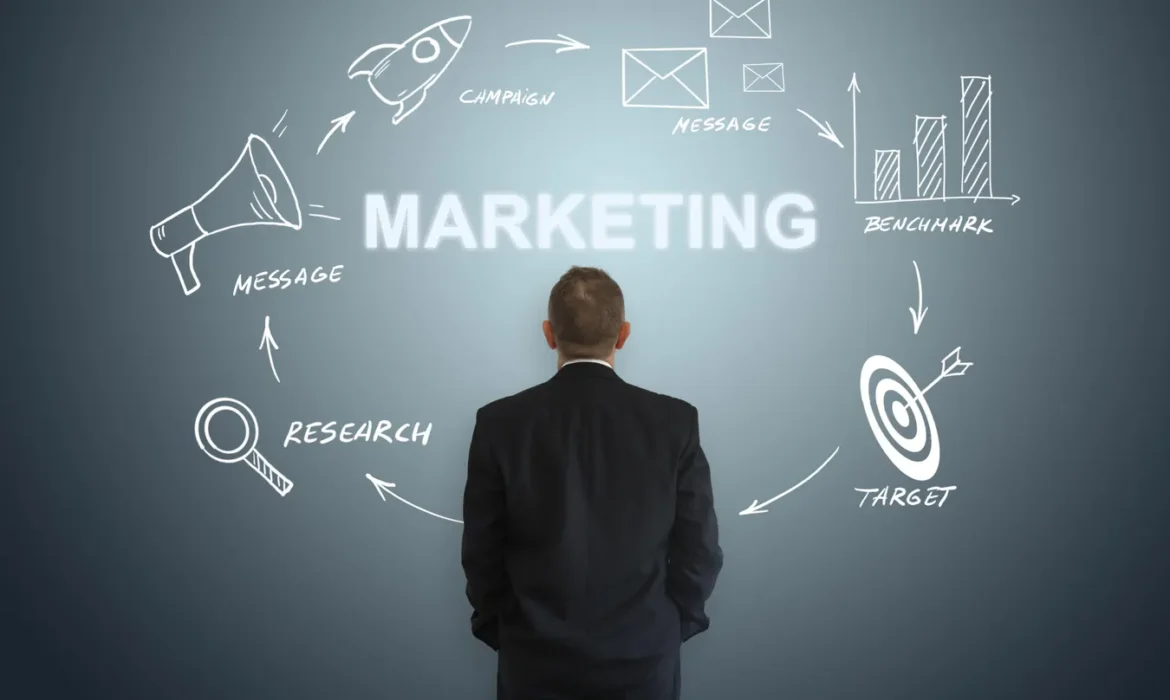
A marketing strategy is a structured plan that helps a business attract customers, communicate its value, and achieve growth. It defines who the business wants to reach, what those customers need, how the company can stand apart from competitors, and how its products or services can solve real problems.
A good marketing strategy works like a roadmap. Instead of making random decisions or launching campaigns without direction, businesses use a strategy to understand where they want to go and how they can reach their audience effectively.
Having a clear marketing strategy is important because it helps companies stay connected with customers, create products that match market needs, and choose the best ways to communicate with potential buyers. Without a plan, businesses may waste resources, send unclear messages, or miss opportunities.
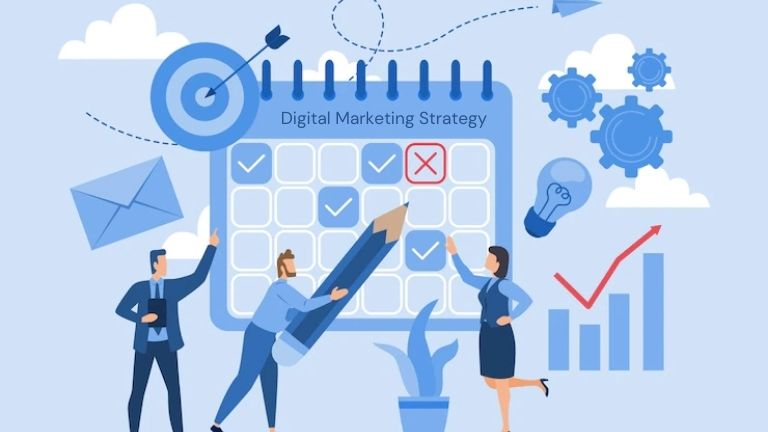
A strong strategy provides several advantages. It keeps marketing activities focused by giving teams clear priorities instead of relying on trial and error. It improves customer understanding by identifying what people want, what challenges they face, and what influences their decisions. It also helps businesses create a unique identity that separates them from competitors in crowded markets.
Another benefit is better resource management. Planning allows companies to spend their budget more effectively and avoid unnecessary expenses. A strategy also makes decision-making easier because new ideas and opportunities can be evaluated based on whether they support the company’s long-term goals.
Marketing covers the complete process of finding potential customers, understanding their needs, creating suitable solutions, and building relationships that encourage loyalty.
A complete marketing strategy usually includes several important elements. The target audience defines the group of people the business wants to reach. Market segmentation helps divide customers into groups based on shared characteristics, behaviors, or needs. A value proposition explains why customers should choose a product or service instead of another option.
The marketing budget determines how financial resources will be distributed, while the product strategy focuses on what the company offers. Brand messaging explains how the business presents itself and what position it wants to hold in the market. Promotional activities highlight additional ways to attract customers, while a content strategy explains how useful information will support business goals. Modern strategies also include artificial intelligence tools that can improve efficiency, analysis, and personalization.
There are many different approaches businesses can use when creating marketing campaigns. Common methods include content marketing, search engine optimization, paid advertising, digital marketing, product marketing, email campaigns, social media marketing, and partnerships.
Although these areas may have separate teams, the strongest results usually come from an integrated approach. When all marketing activities follow the same direction and share a consistent message, customers receive a clearer experience across different platforms.
For example, a company’s website, advertisements, social media content, and promotional materials may have slightly different formats depending on the audience and platform, but the main message should remain consistent. This creates stronger brand recognition and helps customers understand what the business represents.
Before creating a marketing strategy, businesses should complete several important preparation steps.
The first step is understanding the audience. Companies need to research who their ideal customers are, what habits they have, what problems they experience, and where they search for information. The deeper the understanding of customers, the easier it becomes to create effective campaigns.
The next step is setting clear goals. Marketing objectives should be specific and measurable. Goals might include increasing revenue, attracting new customers, introducing a new product, improving brand awareness, or increasing engagement on digital platforms.
After that, businesses need to create a strong message. This message should explain what makes the company different and why customers should choose its products or services. A clear value statement helps build trust and makes marketing communication more effective.
Choosing the right channels is another important decision. Businesses can use websites, social media platforms, email marketing, search advertising, content platforms, and other communication methods. The best choices depend on where the target audience spends time and how they prefer to receive information.

Budget planning is also essential. Companies should understand how much they can invest and distribute resources carefully between different activities. Finally, marketing performance should always be measured. Tracking results through key performance indicators allows businesses to improve their strategy and adjust when necessary.
A practical marketing strategy framework begins with defining business goals. The company’s overall vision should guide marketing objectives and ensure that every activity supports wider growth plans. Goals should be realistic, measurable, and connected to specific outcomes.
The next stage is researching the target market. Businesses need to understand market size, growth opportunities, customer behavior, industry trends, competitors, customer challenges, demographics, and the most effective communication channels. This research helps create accurate customer profiles and improves the ability to compete.
Understanding competitors is especially important. A business cannot build a strong market position without knowing what other companies offer, how they communicate, and where opportunities exist for improvement.
Another useful framework is the seven key areas of marketing: product, price, promotion, place, people, packaging, and process.
Product focuses on how the company meets customer needs. Price considers what customers are willing to pay and how the offer is positioned. Promotion covers the methods used to communicate with customers. Place refers to where customers can access the product or service. People represent everyone involved in delivering the customer experience. Packaging focuses on how the product is presented, and process describes how the product or service reaches the customer.
Understanding customers allows businesses to create better products. Marketing teams play an important role in identifying customer expectations, analyzing feedback, and helping shape product features, pricing, and presentation.
Successful marketing focuses not only on product features but also on customer benefits. People usually make purchasing decisions because a product solves a problem, saves time, improves their experience, or provides value. A product with impressive features will not succeed if customers do not understand how it helps them.
Positioning and messaging should clearly communicate these benefits. Businesses need to understand what matters most to their audience and create messages that highlight those advantages. The same positioning should appear across different marketing channels to create a strong and recognizable identity.
Keeping up with market trends is also important. Modern strategies often include customer-created content, reviews, testimonials, and real experiences because people increasingly trust authentic opinions from other users.
The final part of a marketing strategy is defining the marketing mix. This includes selecting the right combination of channels, campaigns, and activities. Traditional options such as print, television, and radio can still be useful, while digital channels, social platforms, mobile applications, and online communities provide additional opportunities.
A marketing strategy and a marketing plan are connected but different. A strategy defines the overall direction, goals, and long-term approach. A marketing plan focuses on the specific campaigns, actions, schedules, and tactics used to execute that strategy.
Artificial intelligence is becoming an important part of modern marketing because it allows businesses to work faster, analyze more information, and create more personalized experiences.
One major advantage of AI is improved customer understanding. AI tools can analyze large amounts of data to identify patterns, preferences, and behaviors. Businesses can use these insights to create more accurate customer segments and develop better campaigns.
AI also enables personalization on a large scale. Instead of sending the same message to everyone, companies can provide customized recommendations, offers, and content based on individual customer interests and actions.
Customer service can also benefit from AI-powered assistants. Automated systems can answer common questions, provide immediate support, and allow employees to focus on more complex requests.
Predictive analytics is another powerful use of AI. By studying previous information, AI can help businesses forecast trends, understand customer behavior, improve inventory decisions, and identify possible risks.
AI can support content creation as well. While human creativity remains essential, AI tools can help generate ideas, improve existing content, suggest headlines, and optimize materials for better performance.
Advertising is another area where AI creates opportunities. Automated systems can test campaigns, adjust targeting, and improve advertising performance based on real-time results.
Voice and visual search are also becoming more important. Businesses can use AI insights to understand how customers search for products and adapt their content to match new search behaviors.
An AI-enhanced marketing strategy combines traditional research with modern technology. Businesses should first understand their customers through surveys, interviews, and market analysis, then use AI tools to gain deeper insights.
Goals can become more realistic when supported by data analysis and predictions. AI can help identify opportunities, but human creativity is still necessary for creating meaningful messages that connect with people.
Businesses can also use AI to select better communication channels, develop content ideas, personalize customer experiences, automate campaigns, and monitor results continuously.
The future of marketing depends on combining human understanding with intelligent technology. A successful strategy uses research, creativity, customer knowledge, and AI-powered tools together to build stronger relationships and achieve sustainable growth.